After-Hours Viewings: Spotting Used-Car Trouble by Torchlight in Cardiff
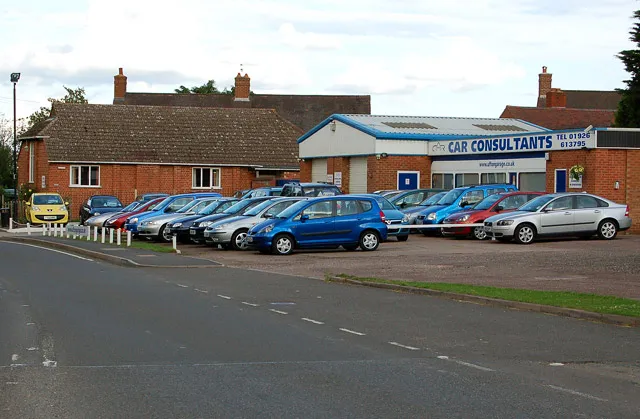
Photo: Andy F, CC BY-SA 2.0, via Wikimedia Commons
By half four in Cardiff in November, the sky is already giving up. Forecourts switch on their lights, the cars look glossy, and you are tired from work. That combination is exactly why an after-dark viewing needs a bit of discipline. It is not about being suspicious of every seller. It is about giving yourself enough evidence to make a decision you will not regret on a wet Tuesday in January.
Start with the car cold, and say so before you arrive
Ask the seller not to start the car before you get there. A cold start tells you far more than a warm engine that has been idling for ten minutes. Put your hand near the bonnet if you can. If it is warm, ask why. It may be innocent, but you want to know.
When it starts, listen properly. A brief flare of revs is normal on many cars. Persistent tapping, rattling, a lumpy idle or a puff of blue smoke is not. White vapour that clears quickly on a damp Cardiff evening is usually condensation. White smoke that keeps coming after the engine is warm deserves a question. Watch the dashboard as the ignition comes on. Warning lights should illuminate briefly and then go out. An engine management light, ABS light or airbag light that stays on is not a cosmetic issue.
Use a torch like a professional, not a phone screen
A phone torch is better than nothing, but a proper handheld light is better still. Hold it at a shallow angle across the paint rather than straight at it. That angle shows dents, ripples, poor repair work and paint mismatch that forecourt lighting hides. Look along both sides of the car from the front and rear. Check panel gaps around the doors, wings, bonnet and boot. Uneven gaps can point to accident repairs or a poorly fitted replacement panel.
Look for overspray on rubber seals, masking lines around windows and rough edges inside door shuts. A car can have had paintwork for honest reasons, but the seller should be able to explain it. Check the bumpers and sills with the torch close to the surface. Rust bubbles under the rear bumper or along the sills are easy to miss in the dark and expensive to put right.
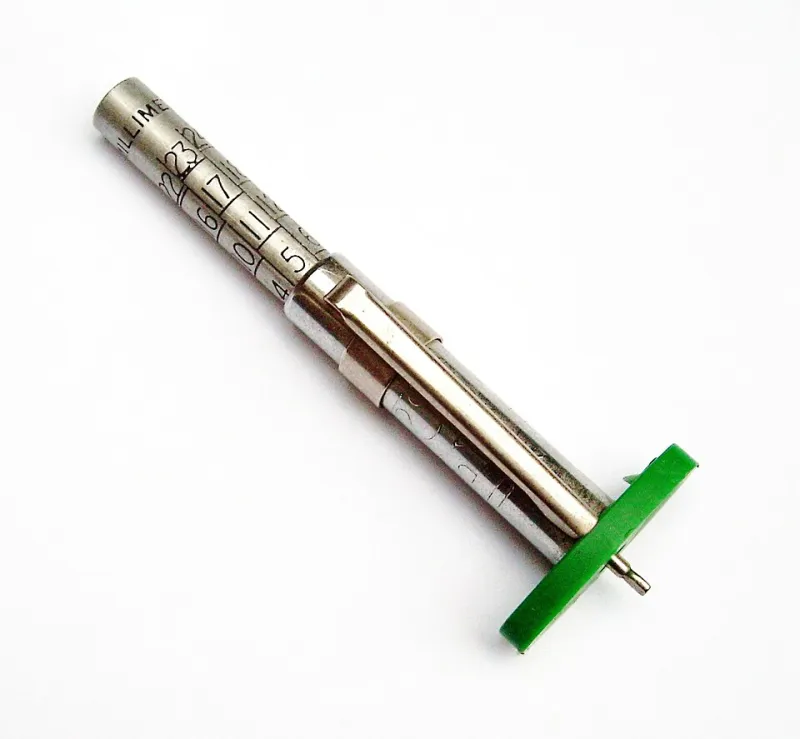
Tyres deserve their own pass. Check the sidewalls for cuts and cracking, and look at the tread across the full width, not just the outer edge. Uneven wear can suggest suspension or tracking problems. Find the date code on the sidewall; it is a four-digit number, with the first two digits the week of manufacture and the last two the year. Mismatched budgets on one axle are a clue about how the car has been maintained.
Fluids, glass and the damp bits
Under the bonnet, use the torch to check the oil level and condition, the coolant level and the brake fluid. Do not open a coolant cap when the engine is hot. Look for fresh oil leaks, oily residue around seals and signs of coolant staining. A tidy engine bay is nice, but a freshly steam-cleaned one can hide leaks. Check the brake discs through the wheel spokes for deep lips or heavy rust, and look at the pads if you can see them.
Rain and short days make windscreen chips harder to spot. Run the torch across the glass at an angle, including the area behind the wipers and the lower corners. Check the wipers for splits. Inside, look for damp smells, misted windows, water marks on the headlining and wet carpets. Cardiff weather finds weak seals. Lift the boot floor and check the spare wheel well for water. Test the lights, heater, air conditioning, demisters, windows, radio and any reversing camera. These are small things individually, but they add up.
The test drive is still part of the inspection
A dark test drive is limited, but not useless. Take a route that includes speed bumps, a roundabout and a stretch where you can safely build speed. Listen for knocks over bumps, whines from the transmission and scraping under braking. Check that the steering does not pull. Make sure the headlights work on both settings and that the dashboard is not throwing up warnings once you are moving.
When to insist on a daytime return
If the seller will not let you hear a cold start, use a torch or come back in daylight, treat that as useful information. A reasonable dealer should not be afraid of a second viewing. If you are serious, ask for a written agreement that any deposit is refundable subject to a daytime inspection. That gives you room to check paint match, glass chips, tyre dates and the underside in proper light.
Remember that a dealer must sell a car that is as described, of satisfactory quality and fit for purpose. A private sale gives you narrower legal protection, so the inspection matters even more. None of this means every evening viewing is a bad idea. It simply means the dark is a reason to slow down, not a reason to skip the basics. Bring the torch, ask for the cold start, and keep your best judgement for the daylight return.