City Speed, Real Wear: Which Used Cars Shrug Off Cardiff's 20mph Traffic
Photo: Calreyn88, CC BY-SA 4.0, via Wikimedia Commons
Cardiff's 20mph default has changed more than the number on the speedo. It has turned lots of short trips into a stop-start crawl: clutch in, clutch out, brake, creep, repeat. If you are buying a used car in 2026 and most of your driving is around the city, that matters. A car that feels fine on a motorway slip road can feel tired after twenty minutes of Albany Road traffic. Here is what to look for, what tends to cope, and what to avoid.
What 20mph traffic does to a used car
At low speed you are not just driving slowly. You are using the clutch far more, braking more often, and asking the suspension to soak up speed cushions, potholes and drain covers. Brakes get less airflow, so they can stay hot and corroded if the car sits. Manuals suffer most from repeated hill starts and creeping. Automatics can be smoother, but not all automatics like constant low-speed shuffling.
Fuel economy is mixed. A small petrol or hybrid often does well because the engine is not working hard. A big diesel can be rough on short city runs, and the DPF and EGR system may not get hot enough to clean themselves. A heavy SUV will drink fuel and chew through brakes and tyres. None of this is about age alone. Condition and service history matter more.
Cars that tend to cope well
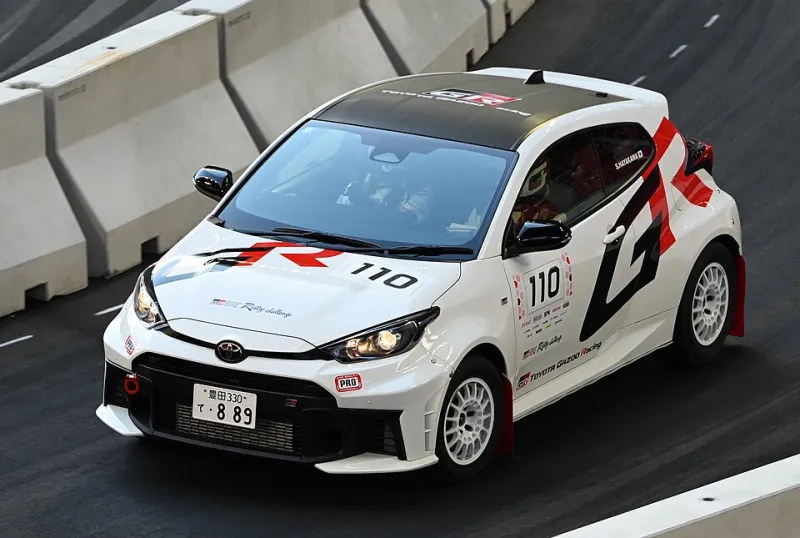
Light petrol hatchbacks are the obvious winners. A Toyota Yaris, Honda Jazz, Volkswagen Polo or Suzuki Swift is easy to place in tight streets and does not ask much of its brakes or suspension. Hybrids are even better suited to 20mph work: the electric motor helps at low speed, the engine can shut down, and the brakes last longer because the car recovers energy. A used Toyota hybrid or Honda Jazz is worth a look if you do mostly city miles.
Torque-converter automatics are usually smooth in traffic. A conventional auto from a mainstream brand can be less jerky than a dry dual-clutch gearbox. Small EVs also make sense if you can charge at home: no clutch, no idling, and cheap running costs. But check battery health and make sure the range suits your week.
Cars that can struggle
A large diesel saloon or SUV used mainly for short Cardiff trips is a risk. The DPF can block, the EGR valve can soot up, and the car may never reach proper temperature. That is not the car's fault; it is the wrong car for the job. Dry dual-clutch automatics can also feel hesitant and jerky in stop-start traffic, and repairs are not cheap. Old manual superminis with a high clutch bite point or a judder are best avoided unless the price reflects a clutch bill.
Sports suspension and low-profile tyres can be tiresome on Cardiff's rougher streets. You will feel every cushion and patch. Big wheels look good but cost more when a pothole wins. A car with a stiff ride and worn bushes will only get noisier.
The Cardiff test drive that tells you more
Do not just loop the ring road. Start the car from cold and head for the busy stuff. Try Albany Road and Crwys Road for stop-start traffic, City Road for junctions, and Cowbridge Road East for a mix of lights and uneven surfaces. Include a few speed cushions in Canton or Riverside and a multi-storey car park if you can. You want to feel the clutch, brakes and suspension at low speed.
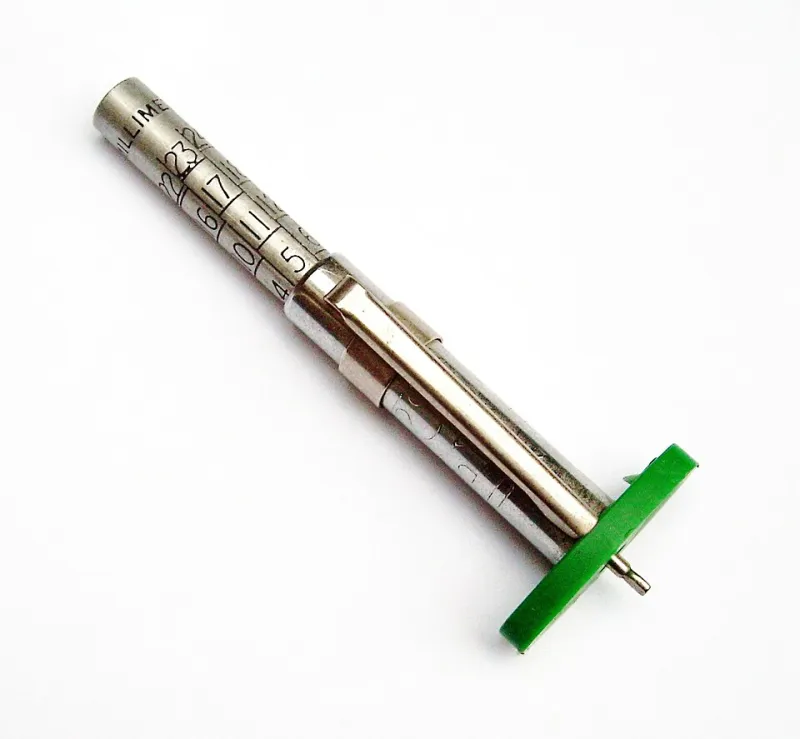
Listen for knocks over bumps, feel for brake judder, and check whether the clutch bites high or shudders when pulling away. In an automatic, watch for hesitation or a thump when you creep. Check the tyre shoulders for uneven wear, which can point to tracking or suspension issues. Look for warning lights, especially DPF and engine management lights. A quick MOT history check is essential, and ask for service invoices rather than just a stamped book.
Before you say yes
Match the car to your actual week. If most journeys are short Cardiff runs, a petrol hybrid or a simple petrol hatchback is usually kinder than a diesel. Ask when the clutch, brakes and cambelt were last done. On a hybrid, ask for a battery health check. On any car, budget for tyres, brake fluid and suspension consumables. A used car that copes with 20mph traffic is not a magic model; it is one that has been looked after and suits the job.